Our story
Six years ago, my wife Quinn and I decided we wanted to build a company.
We didn’t know what the company would do, but we knew what we wanted it to accomplish. We were going to call it “Wildrnss.” And we had a mission statement:
To help bring about a world full of people passionate about adventure and inspired to explore.
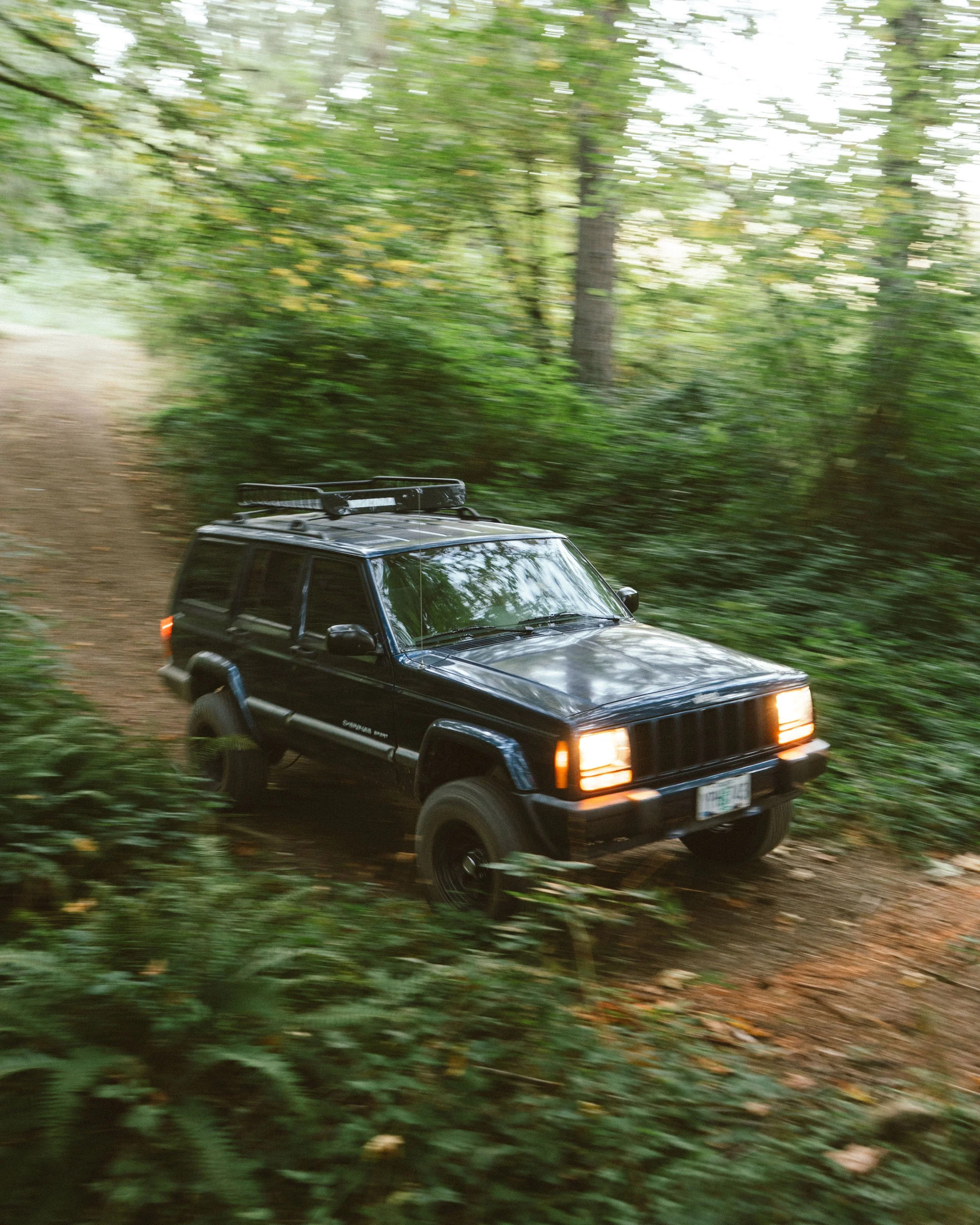
That was it. We had no products, no business plan, no roadmap—nothing.
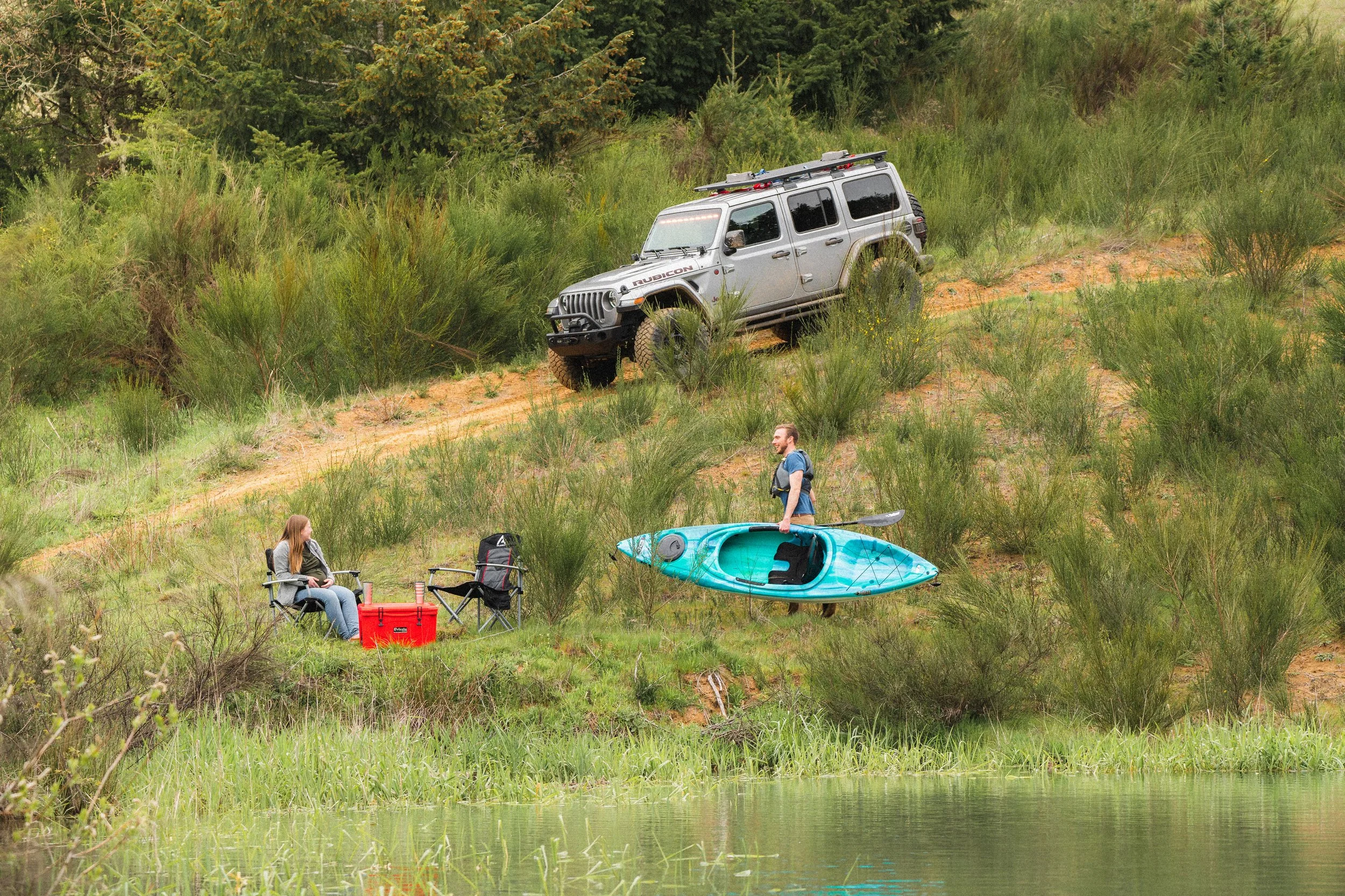
We built a website and filled it with photos of the outdoors.
We researched how to create a corporation and registered Wildrnss Inc. as a publishing company since we did technically publish a website. We opened a bank account and business credit card and started paying for the website using that. Looking back, all we really accomplished was making tax season much more complicated.
But that didn’t matter. We had a company. We were official.
For nearly three years, we talked about ideas, but none of them felt right.
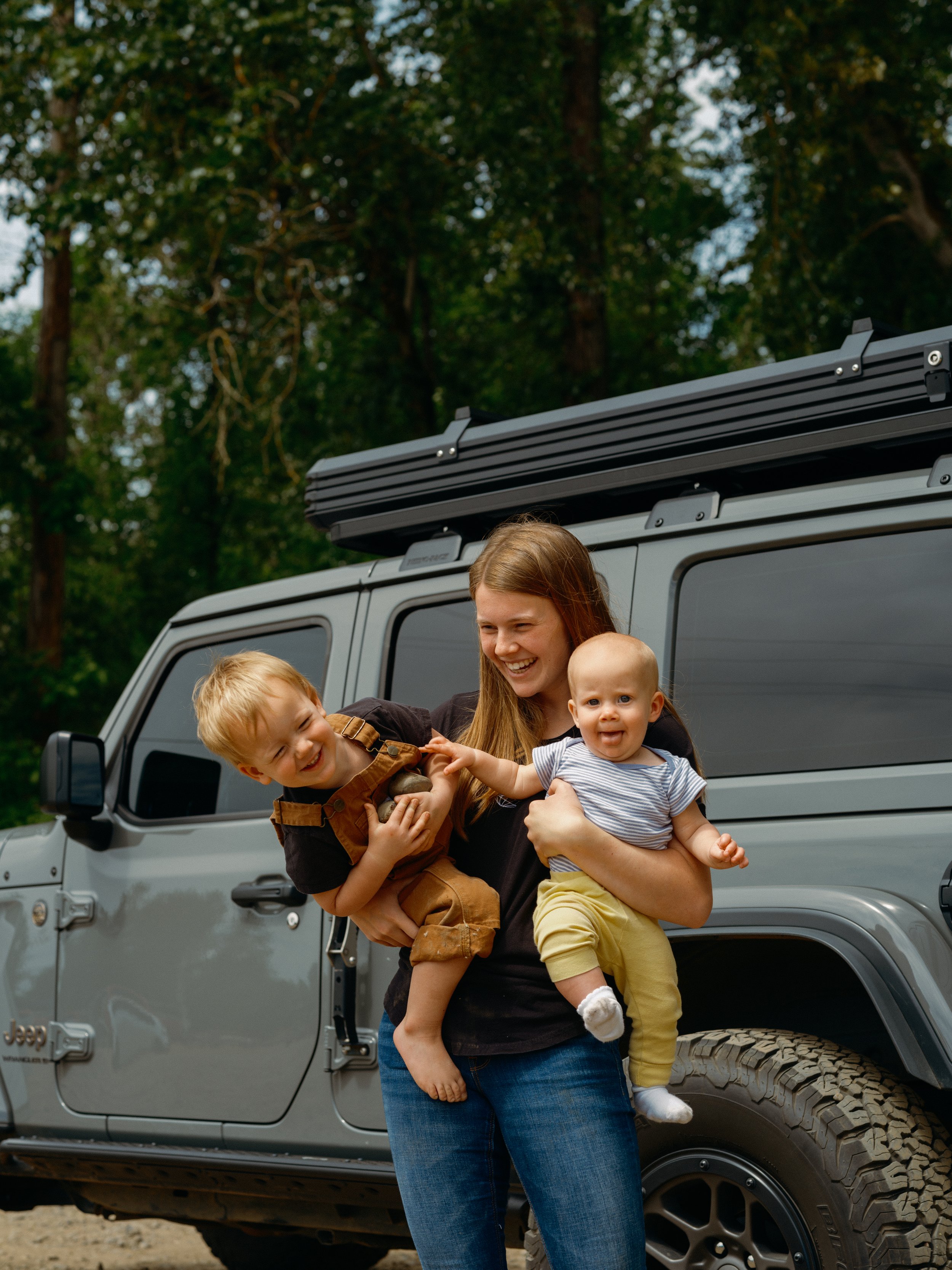
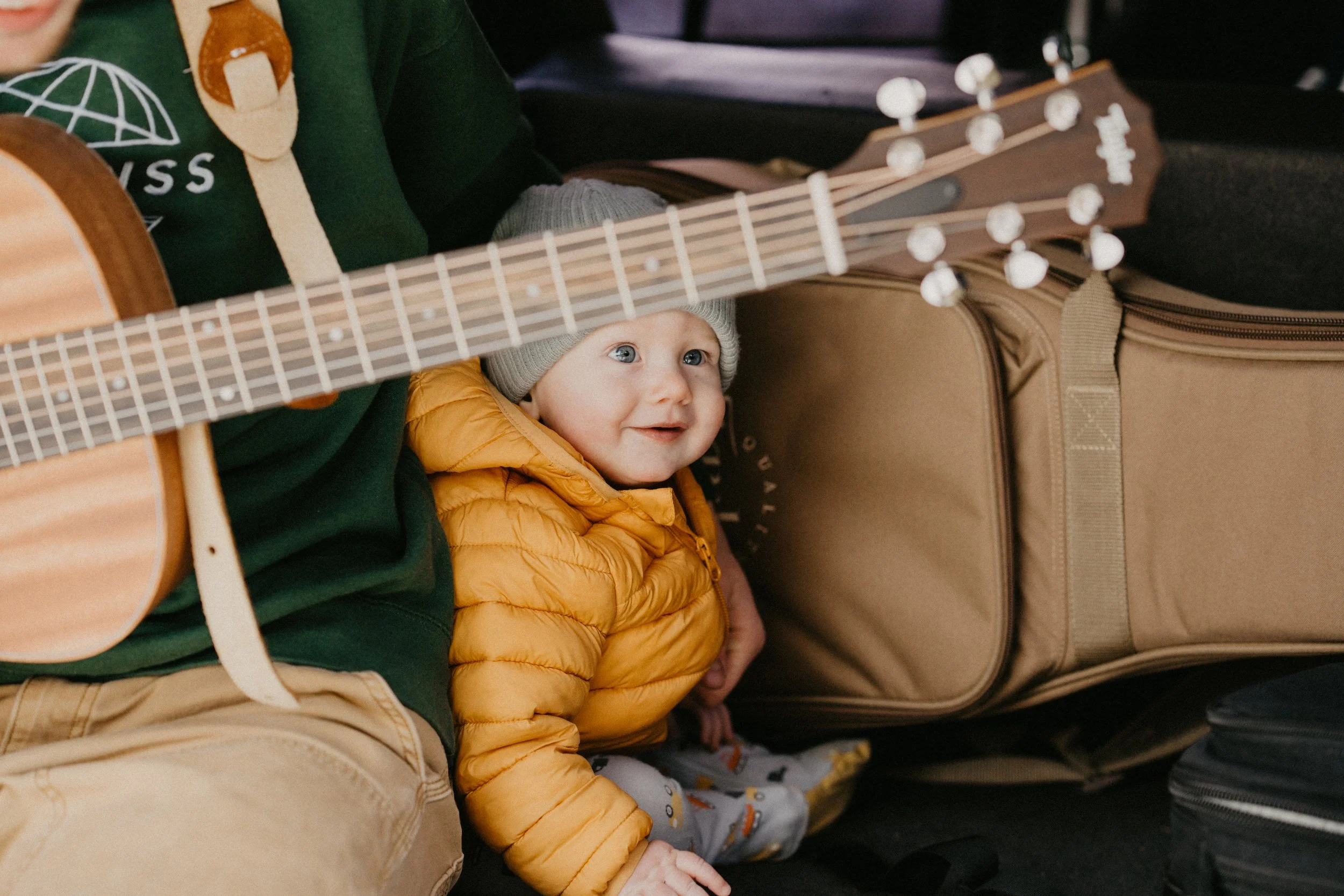
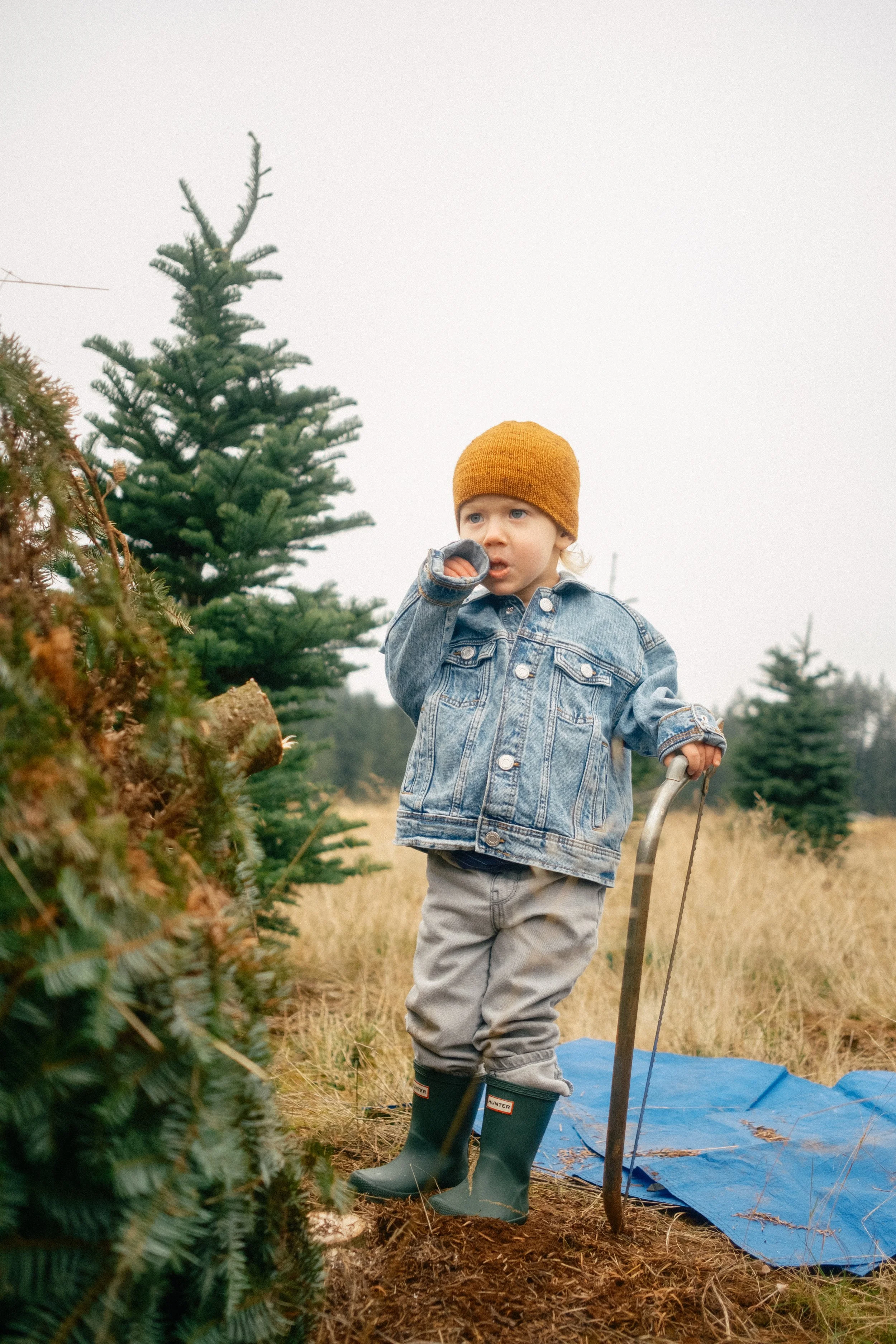
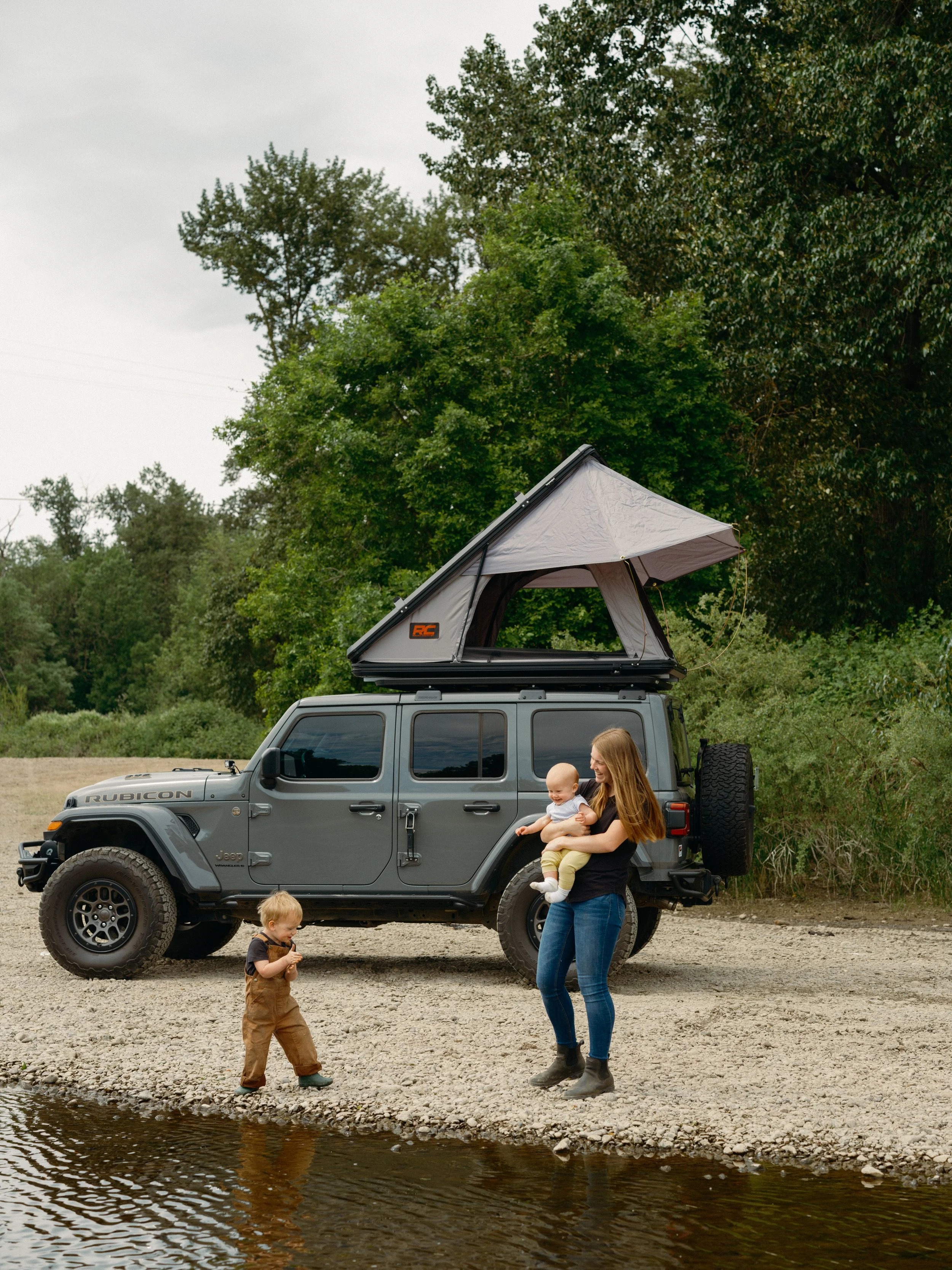
We welcomed our first child, and like many new parents, we found ourselves asking what kind of childhood we wanted him to have. We decided it would be one filled with dirt, rain, and sunshine. It would not be one dominated by screens.
That decision quietly shaped everything that came afterward.

Then one night in May of 2023, I had an idea while looking at the Wildrnss website. I checked, and “outsideproject.org” was available. I bought it and built a website that night.
The concept was to create a place where people could find a small reason to put down their screens and step outside.
The first prompt read:
“Make a temporary art piece using things you find in nature—rocks, leaves, sticks, dirt, or anything else you come across. When you’re done, take a picture or draw a sketch of what you made. Then, return everything back to where you found it.”
The idea was intentionally small. Once someone stepped outside, nature would do the rest.
I wrote nine more and showed Quinn. She immediately started organizing them. She built a spreadsheet filled with categories. It was color-coded and full of ideas I hadn’t thought of. From that point on, the project belonged to both of us. Together, we kept writing.
As time passed, the project became part of our family life.
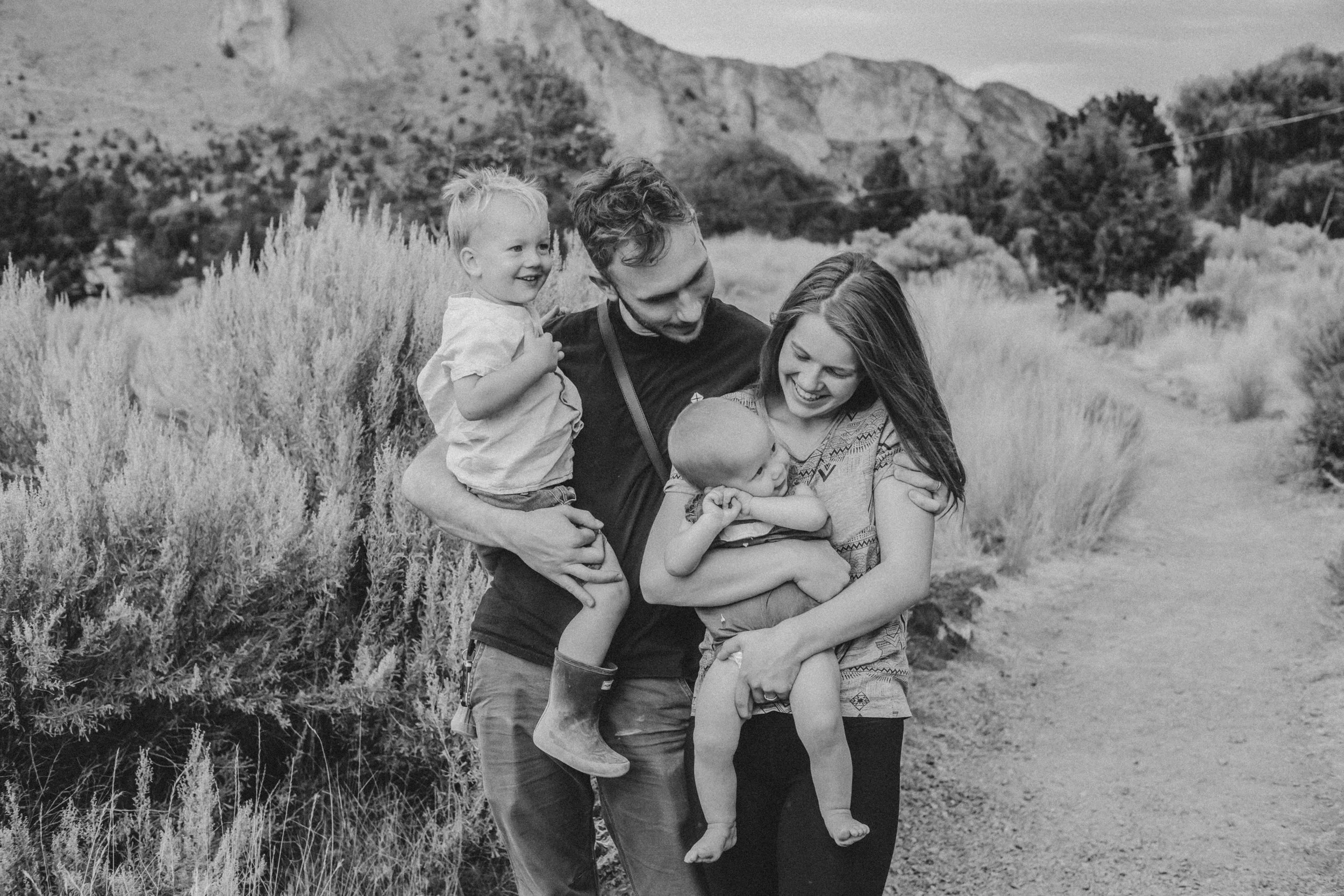
In 2024, our daughter joined our adventure.
And as our family grew, so did the project. We didn’t just write prompts; we lived them.
We watched our children discover insects, climb logs, collect leaves, and become fascinated by ordinary things adults often walk right past.
Again and again, they reminded us that children don’t need elaborate entertainment or grand adventures. They simply need an invitation to notice the world around them.
We kept writing.
The first twenty prompts were easy. The next fifty took more thought. As we wrote each one, we wondered if that was the last one.
Then something unexpected happened. Instead of running out of ideas, we started seeing them everywhere.
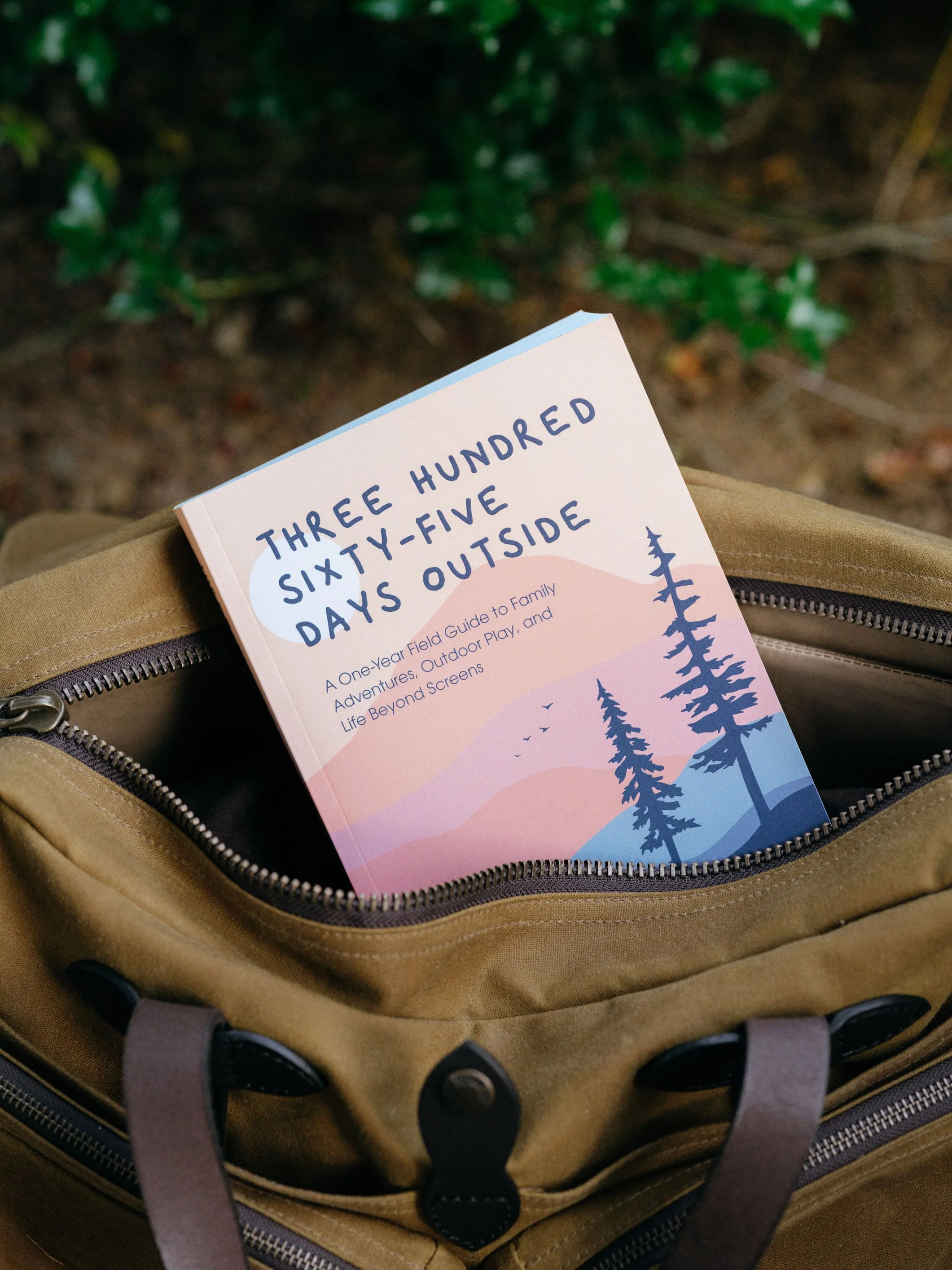
By the time we'd written fifty prompts, we realized they didn't belong on a website anymore. They belonged in a book. We called it Three Hundred Sixty-Five Days Outside and enthusiastically started designing pages without having the slightest idea how much work we had just signed ourselves up for.
Eventually, we wrote more than six hundred prompts.
Ironically, even after writing all of those prompts, we'd barely made it thirty pages into the actual book. We tried finding a way to take the prompts we’d written and put them into a book without it feeling overwhelming or overly simplistic. We wanted it to be visually appealing while keeping the focus on getting people outside.
At one point we decided that we’d scan every handwritten prompt and have those scans form the pages of the book, almost like publishing our own field notebook. The first few pages looked beautiful, but they also revealed a problem. As we learned more about typography and book design, we realized it’d be impossible to use our scans without making the book itself impractically large and difficult to produce.
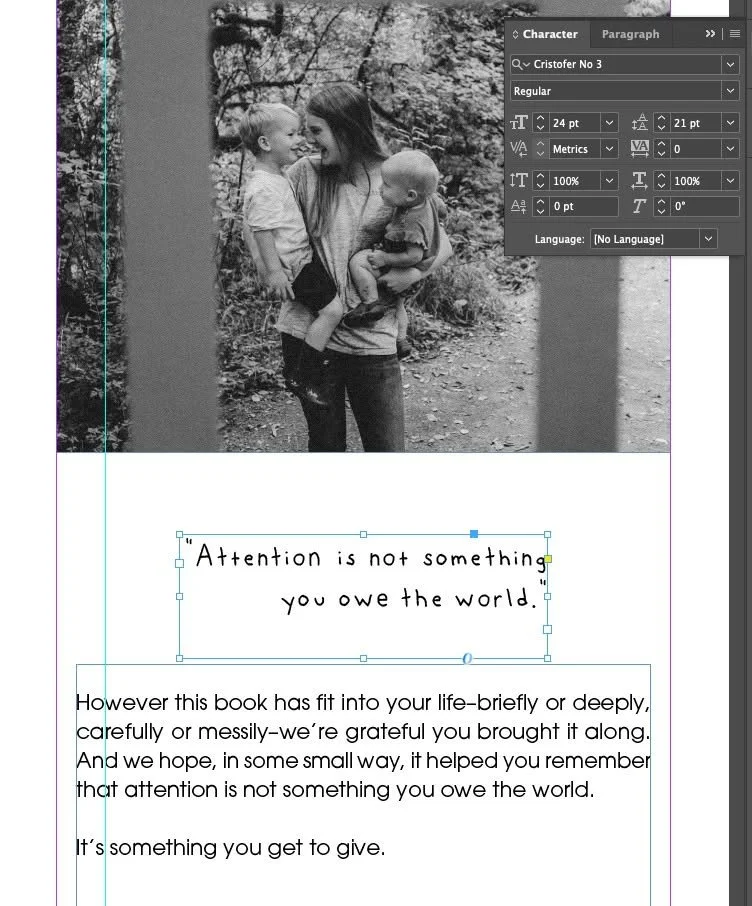
Rather than abandon the idea, we decided to learn how to build typefaces. Over the following weeks, we created twelve custom typefaces from scans of our own handwriting—seven from Quinn’s and five from mine.
We created pages and pages of letters for each typeface with at least three variations of each character and symbol, so the finished pages would retain the subtle inconsistencies of real handwriting.
Along the way, we learned more about publishing, ISBN and copyright registration, printing, distribution, and everything else required to bring a book into the world.
Somewhere in the middle of all of that, Wildrnss finally found its purpose.
Wildrnss Inc. became the home of Wildrnss Press, the imprint through which we could publish books that reflected the mission we’d written years earlier.
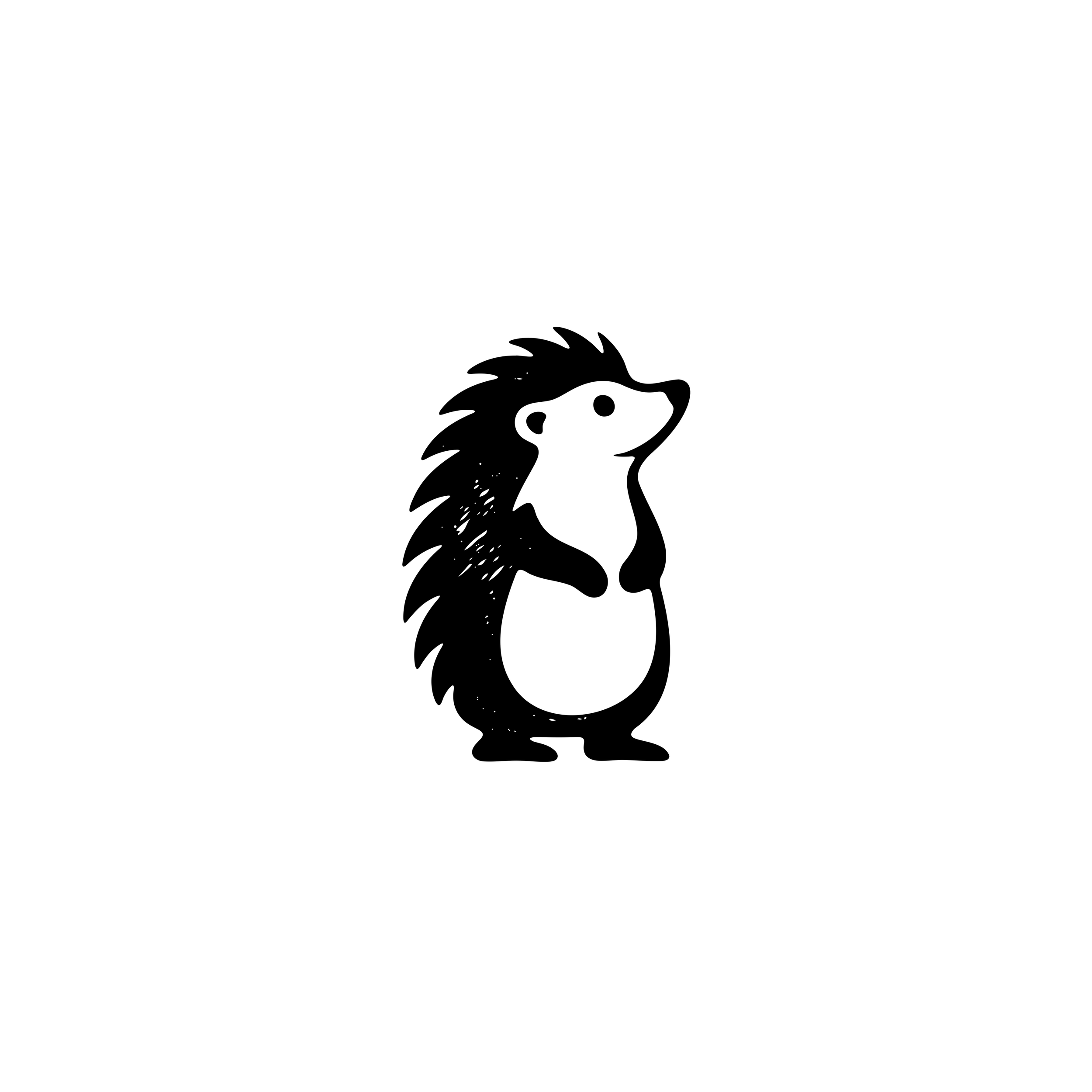
Our daughter had a beloved stuffed hedgehog she called “Chodge”—likely because it’s difficult for a one-year-old to pronounce “hedgehog.” He inspired the publisher’s mark that now appears on every book we print. To us, this mark represents a small companion for quiet journeys and curious minds. Just like Chodge.
Our goal when we started wasn’t to simply publish a book. It was to create something that would help families slow down, look up, and rediscover the adventures waiting just beyond their front door.
Three Hundred Sixty-Five Days Outside became the first expression of that mission.
It won't be the last.